Finding a food supplier in China is only the first step. The larger challenge is turning a buyer's product idea into a repeatable order: the right formula, the right packaging, clear quality references, suitable documents and a factory willing to cooperate with the commercial plan.
What a China food sourcing agent should actually do
A sourcing agent should represent the buyer during the practical work between product brief and shipment. That means asking suppliers specific questions, comparing capability rather than only price, coordinating samples, negotiating customization, confirming agreed details and following up when the factory's normal process does not fit the buyer's market.
For private-label food projects, this coordination is especially important because the product, label and outer carton must work together. A small misunderstanding about net weight, ingredients, language, carton marks or pallet arrangement can affect an entire shipment.
A seven-step food sourcing process
- Define the product brief.Share the product type, target market, estimated quantity, preferred formula, pack size, packaging format, certifications, timeline and target price when available.
- Identify suitable suppliers.Compare factories against the actual requirement. A low quotation is not useful if the supplier cannot meet the packaging, trial quantity, documentation or production standard.
- Verify the supplier and factory.Review the business identity, production capability, export experience and supporting documents. An on-site visit can be arranged when the risk or order value justifies it.
- Coordinate and approve samples.Use samples to check taste, texture, color, viscosity, pack size and presentation. Keep the approved sample and written specification as the reference for bulk production.
- Confirm private-label details.Align artwork, ingredients, nutrition information, barcode, date coding, carton print, label material and any destination-market requirements before production.
- Follow production and quality checkpoints.Reconfirm the critical details before production starts, follow milestones and raise changes early enough for the buyer to make a decision.
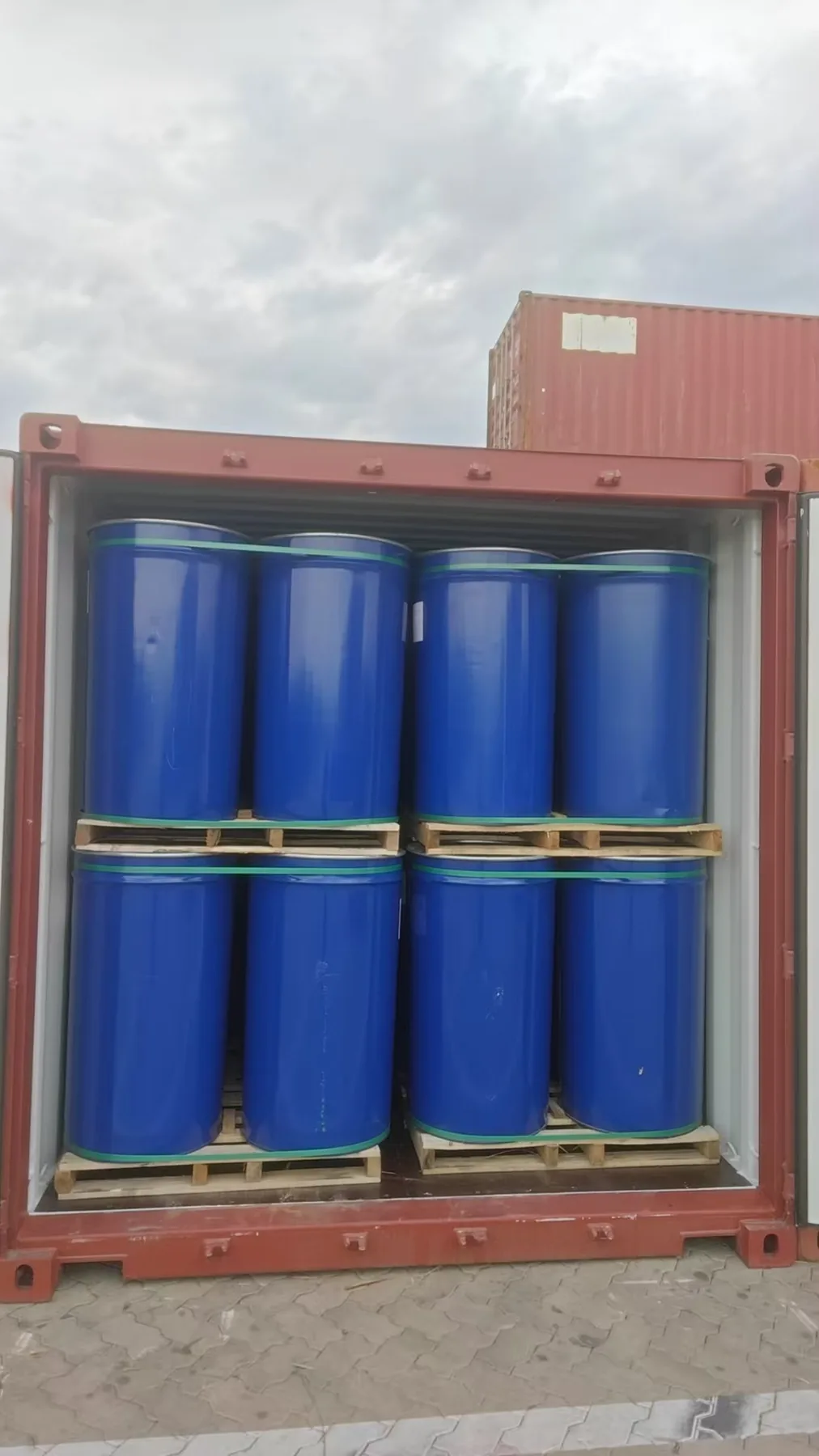
- Coordinate loading and shipping information.Check packing and loading requirements, collect agreed documents and coordinate the handoff to the buyer's freight forwarder or shipping partner.
Private-label food details buyers should confirm
Ingredients, formulation tolerance, sensory reference, shelf life, storage and pack size.
Container type, label material, artwork version, carton strength, carton marks and pallet plan.
MOQ, trial order, unit price basis, tooling or printing cost, lead time and payment milestones.
Available certificates, test reports, product specifications, packing list and export documents.
Why sample-to-bulk consistency needs active follow-up
A sample can be produced with extra attention, while a bulk order follows the factory's normal production routine. The best protection is a clear approval record: retain the sample, document the measurable standard, confirm the packaging version and decide which checkpoints must be reviewed before shipment.
LindaLink has handled projects where cautious first-time importers requested multiple samples or very small trial quantities before committing to a container. Factories do not always welcome these requests, especially for low-margin products. Patient Chinese-language negotiation can help explain the buyer's long-term opportunity and find a workable compromise.
Common sourcing problems—and the practical response
The factory resists a small trial
Explain the commercial plan, simplify the trial where possible and negotiate a paid sample or limited production arrangement.
The packaging must match a local format
Break the requirement into container, label, carton and local relabeling steps, then confirm which parts the factory can automate.
The buyer needs a custom formula
Translate the target into measurable feedback, coordinate sample rounds and lock the approved reference before bulk production.
The supplier's answers are unclear
Ask focused questions in Chinese, request evidence and separate what is confirmed from what still needs verification.
Who this service is for
LindaLink works with overseas importers, distributors, supermarket buyers and brand owners who need a dependable person in China. Support can cover one focused task—such as supplier verification or sampling—or continue through negotiation, private-label packaging, production follow-up and loading.
Frequently asked questions
Can LindaLink help with a first food import from China?
Yes. The process can begin with a product brief, destination market, target quantity and packaging needs. LindaLink then helps the buyer identify practical questions, compare suitable suppliers and coordinate the next steps.
Can a Chinese food factory produce a private-label product?
Many export-capable factories offer private-label or OEM production, but capabilities, minimum quantities, formulation flexibility and packaging options vary. These details should be confirmed with the specific factory before sampling.
How can a buyer reduce the risk of bulk quality differing from the sample?
Keep an approved reference sample, confirm measurable specifications in writing, reconfirm packaging and production details, and agree on quality checkpoints before the bulk order starts.
Does LindaLink provide import compliance advice?
LindaLink can coordinate supplier documents and ask factories for relevant certificates and product information. The buyer should confirm final import, labeling and food-safety requirements with qualified authorities or advisers in the destination market.